
AI-Techno Jinni: Quick work — a gift and a curse.
AI can produce another correction before I have finished checking the last one. The speed is useful, but the evidence needs to keep up.
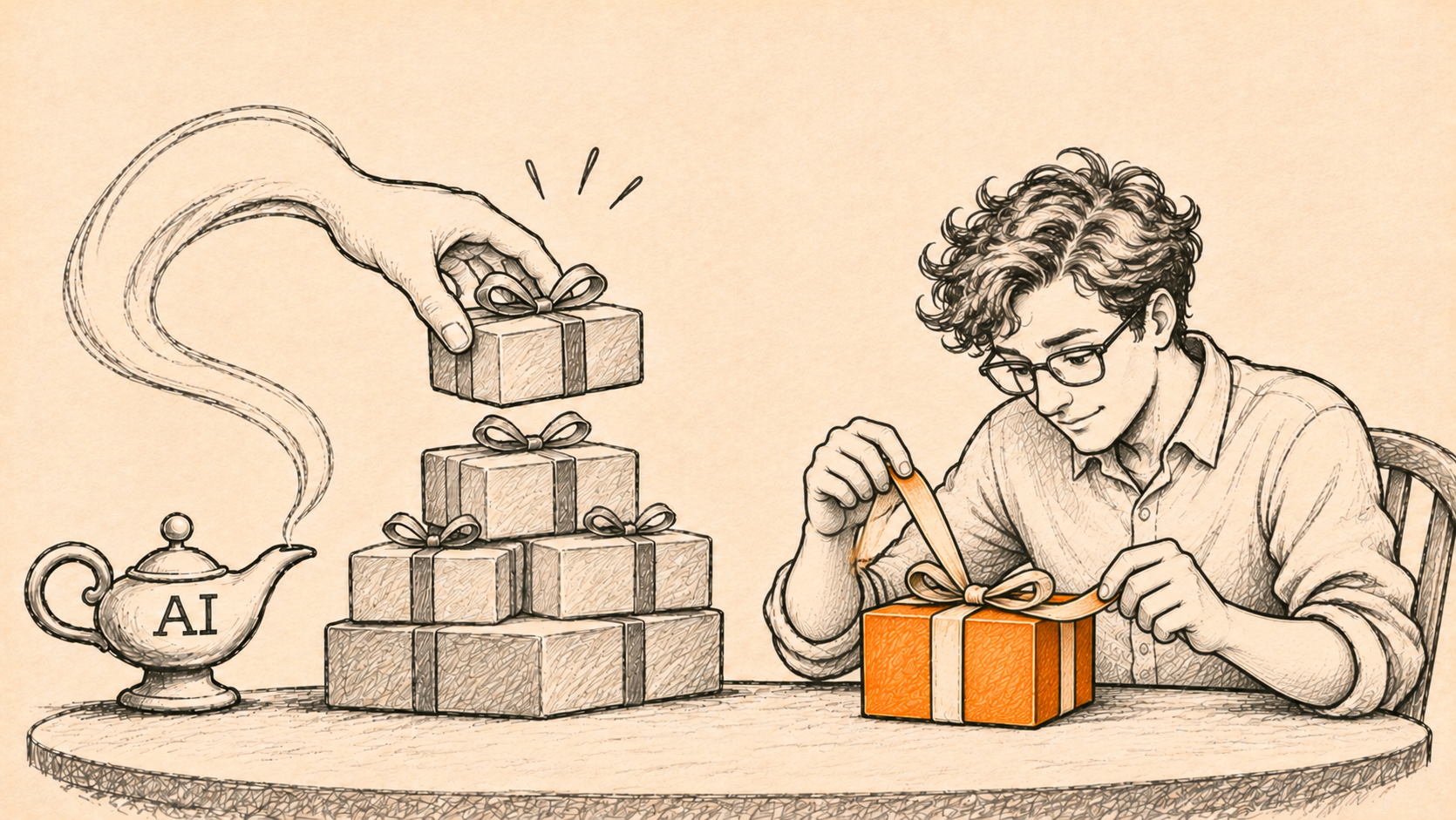
One of the most exciting things about working with AI is how quickly I can go from identifying a problem to seeing a proposed fix. I can inspect the change, ask for a correction and move on to the next issue without waiting through a long implementation cycle. It's easy to get used to that kind of speed.
I've experienced it during software development, where AI could produce changes almost as quickly as I could explain what needed fixing. Each correction seemed manageable, and the next version was usually close behind. For a while, it felt like we were flying.
Then the checks started catching up.
During one development effort, a type-related problem surfaced and was corrected. The next lint check uncovered several more errors. Those needed fixing too. The affected checks eventually passed, but we'd been discovering problems in separate rounds rather than seeing the full picture early.
That was the frustrating part. Not that code under development had errors, but that I kept coming back to something we'd just corrected because another check had uncovered something else. Each fix was progress, yet the repeated cycle of correcting, checking and correcting again demanded more of my attention than I'd expected.
AI was making the changes faster than we were establishing whether those changes were ready.
I started pushing for a different approach: run the relevant formatting, type, lint and test checks as a coordinated batch, and report the results together wherever possible. I wanted to see what had passed, what had failed and what hadn't actually been checked, instead of discovering each problem in a separate conversation.
That doesn't mean every error can be discovered in one run. Some checks depend on earlier steps, and fixing one problem can reveal another. But the way we organize validation matters, especially when AI can produce another candidate before we've finished examining the previous one.
It made me notice something else about speed. The faster AI produces work, the more decisions arrive on my desk. Another version to inspect, another correction to evaluate, another result to compare. The time saved writing code doesn't automatically translate into the same amount of time saved reviewing it.
This problem has become important enough that I've started building something around independent assurance of AI-produced work. I want more than another confident AI response telling me everything looks good. I want evidence that can stand on its own. That work is still evolving, but it has changed how I think about the relationship between execution and verification.
I still want the speed. Being able to explore and implement ideas this quickly is one of the reasons I enjoy working with AI. But I've become more conscious of when to ask for another change and when to examine the evidence for the one already made.
Quick work is a gift when it gets me to a useful result sooner. It becomes a curse when the corrections arrive faster than I can judge them.
My Jinni doesn't need to slow down. The way we check its work needs to keep up.